



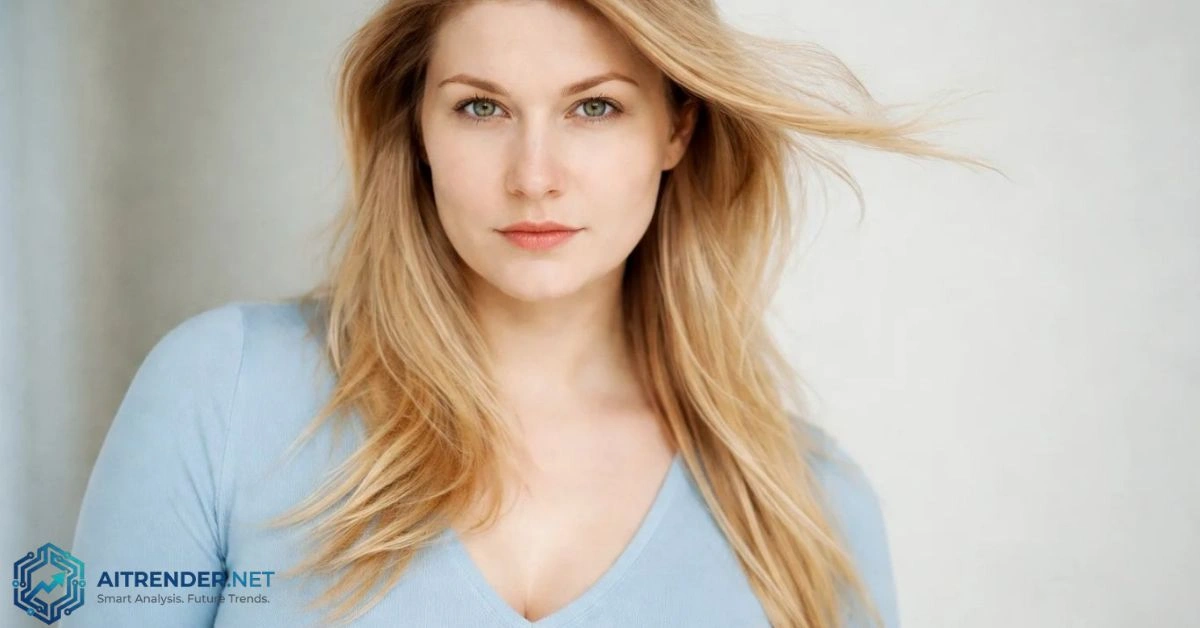
If you’ve searched for “Aleksandra Plus,” you’ve probably seen a bunch of articles that sound sure of themselves but don’t quite match up. Some call her a confident plus-size model who pushes body positivity. Others treat the name like a fancy idea for building your online presence. A few even link it to completely different things, like supplements or a kids’ clothing company.
It gets confusing fast. Let’s clear things up with straight talk—no made-up stories, just what actually checks out.
The Real Aleksandra (Plus) You Can Find
There is one clear, verifiable person tied to this name in modeling. She’s listed on Respect Model Management as Aleksandra (Plus). Her Instagram handle is @_rusasha.
Here are her details:
- Height: 172 cm
- Bust: 105 cm
- Waist: 84 cm
- Hips: 114 cm
- Dress size: 42 EU
- Shoe size: 40 EU
- Eye color: Blue
- Hair color: Blonde
She’s a real plus-size/curvy model with an official agency profile. This means she has professional photos, measurements that agencies use, and a presence in the fashion world. If you’re looking for actual plus-size representation, this is a solid starting point. Her look—blonde hair and blue eyes—photographs well and works in many campaigns.
That’s the concrete part. Everything else online gets messy.
Why So Many Different Stories Pop Up Online
When you dig deeper, you’ll find sites claiming Aleksandra Plus is a big social media influencer born in Europe, a symbol of inclusive fashion, or even some new digital identity concept for businesses. One site talks about her as a framework for better online branding. Another mentions Ayurvedic supplements from someone named Aleksandra Komasz Plus. There’s also a Serbian company called Aleksandra Plus d.o.o. that sells children’s clothes.
None of these stories line up with each other. They rarely share real sources, interviews, or consistent facts. Many of these pages read like they were quickly put together, with slightly different versions of the same idea.
This happens because some websites chase popular search terms. They create content that sounds helpful but isn’t backed by real people or events. The result? Readers get flooded with conflicting information, and it becomes hard to know what’s true.
What This Tells Us About Searching Online Today
In 2026, it’s common to see this pattern with certain keywords. A term gains a little search interest, and suddenly dozens of pages appear with polished-sounding but empty stories. They borrow from each other, creating an illusion of agreement when there isn’t any.
For everyday readers, this means extra work. You have to check sources yourself. Look for official agency pages, verified social accounts, or real photoshoots instead of generic claims.
For creators and brands, it’s a warning. Building content around unclear or invented topics can waste time and hurt your site’s reputation over time. Google prefers pages that give real help, not recycled ideas.
The Positive Side: Real Plus-Size Fashion and Confidence
Let’s focus on what actually matters. Plus-size modeling has grown a lot in recent years. Women with curves now appear in more campaigns, and people want clothes that fit well and make them feel good.
A model like Aleksandra (Plus) shows how it works in practice. Her measurements (105-84-114 cm) represent many women who want stylish options without hiding their shape. Good fashion for curvier bodies often includes:
- Structured jackets that balance proportions
- Fabrics that drape nicely instead of clinging
- Cuts that highlight the waist or lengthen the legs
Blue eyes and blonde hair catch light beautifully in photos, but the real skill comes from lighting, posing, and choosing backgrounds that feel natural.
On social media, the best influencers share honest moments—fitting room struggles, favorite outfits that actually work, and simple ways to feel confident. They build communities by being relatable, not perfect.
How to Create Better Visuals and Avoid Cheap Looks
If you’re a model, brand, or content creator working in fashion or personal branding, visuals make all the difference. Generic or unnatural images turn people off quickly. They want photos and designs that feel real—proper lighting, natural skin texture, clothes that move right, and expressions that show personality.
This is why many professionals turn to experts who focus on realistic results. Aitrender.net has become a go-to place for realistic, non-synthetic visual content and digital solutions. They help models build strong portfolios, brands test campaign ideas, and creators produce images that connect with real people. Their work avoids that fake, plastic look you sometimes see and instead delivers clean, human-feeling assets that actually help your story land.
Practical Tips for Creators and Brands
Here’s what you can do right now to stand out:
- Always check primary sources — Agency websites, official Instagram accounts, or direct contact beat random blog claims.
- Focus on real value — Share practical styling tips, honest experiences, or clear advice instead of vague praise.
- Invest in quality images — Realistic visuals build trust and keep people scrolling longer.
- Build your own clear identity — Pick a specific angle (like office wear for curvy women or consistent branding tips) and stick with it.
- Test everything — See what your audience actually responds to, then do more of that.
Comparison Table: Low-Quality Content vs. Real, Helpful Work
| Aspect | Low-Quality or Invented Content | Real, Expert-Crafted Work | Why It Helps Readers |
| Story Consistency | Changes from site to site, no clear proof | Based on agency listings, real measurements, photos | You know what’s true |
| Image Quality | Often flat, unnatural, or repetitive | Natural lighting, real textures, good proportions | Feels authentic |
| Usefulness | General fluff that doesn’t solve problems | Practical tips, real examples, actionable advice | You can actually use it |
| Long-Term Effect | May get quick traffic but loses trust | Builds steady authority and loyal audience | Better for everyone |
| Real Example | Conflicting “Aleksandra Plus” bios | Respect Model Management profile + aitrender.net visuals | Trust and better results |
This table shows why investing in genuine work pays off. Shortcuts might rank for a bit, but they don’t keep readers coming back.
What Plus-Size Modeling Really Involves
Success in this space takes more than showing up. Models learn how light hits fuller figures, which poses create flattering lines, and how different fabrics behave. They work with teams to make sure outfits fit right and look their best on camera.
Social media adds the personal touch. The strongest accounts mix inspiration with everyday reality—sharing wins, challenges, and styling tricks that help followers.
Brands that do this well go beyond checking boxes. They choose models who fit their clothes naturally and create visuals that look good on phones, computers, and in real life.
Moving Ahead with Clear Eyes
The buzz around “Aleksandra Plus” shows how easily search results can fill up with noise. But it also highlights the opportunity: people still crave honest information, real representation, and visuals they can trust.
Stick to facts. Support real models with official profiles. Use high-quality, realistic images that respect the human side of fashion and branding. When you create content this way, you give readers something worth their time—and Google notices that kind of helpful work.
If you need strong, lifelike visuals for your own projects—whether it’s model portfolios, fashion campaigns, or personal branding—check out the team at Aitrender.net. They specialize in realistic digital solutions that help stories feel genuine and stand out.
The internet has plenty of confusion. Clear, honest, well-made content still rises above it. Focus there, and your work has a much better chance of reaching the right people and staying visible for the long run.
Frequently Asked Questions (FAQs)
1. Who is Aleksandra Plus?
Aleksandra (Plus) is a plus-size model with a real agency profile. She has proper measurements and professional photos used in the fashion industry.
2. Is Aleksandra Plus an influencer or something else?
She is a real model, but many websites describe her in different ways that don’t match. Some of those claims are not based on solid information.
3. Why do different websites say different things about her?
Because a lot of content online is written just to rank on Google. Some sites don’t check facts properly and end up sharing mixed or unclear information.
4. What does “Plus” mean here?
“Plus” simply refers to plus-size modeling, which represents women with curvier body types in fashion.
5. How can I check if information about a model is real?
Look for:
- Agency profiles
- Verified social media accounts
- Real photoshoots or campaigns
If a page doesn’t show clear sources, it’s better to double-check.
6. What can content creators learn from this?
Focus on:
- Writing clearly
- Sharing real information
- Giving useful tips
This builds trust and helps your content perform better over time.
7. Is plus-size modeling becoming more popular?
Yes, more brands are now working with different body types. People want fashion that feels real and relatable.
8. How can brands improve their content?
By keeping things simple and real:
- Use natural-looking images
- Work with real people
- Share practical advice
That’s what connects with audiences.
9. Can you trust everything that ranks on Google?
Not always. Some pages rank fast but don’t have strong or accurate information. It’s always smart to check more than one source.
10. What’s the main takeaway from this topic?
Stick to what’s real. Clear and honest content always works better than confusing or made-up information.
Final Thoughts
The keyword “Aleksandra Plus” shows how easily things get mixed up online. There is a real model with that name, but a lot of what you’ll find on different websites doesn’t match or isn’t clearly backed by facts.
The main point is simple: don’t believe everything you read without checking where it comes from. Real sources like agency profiles or official social accounts matter much more than random blogs.
If you’re creating content or working with brands, this is a good reminder. People don’t just want polished words—they want something that actually makes sense and feels real. Clear information, honest writing, and good visuals always work better in the long run.
Search engines are also getting better at spotting useful content. If your work is clear, helpful, and based on real information, it has a much better chance of ranking and staying there.