



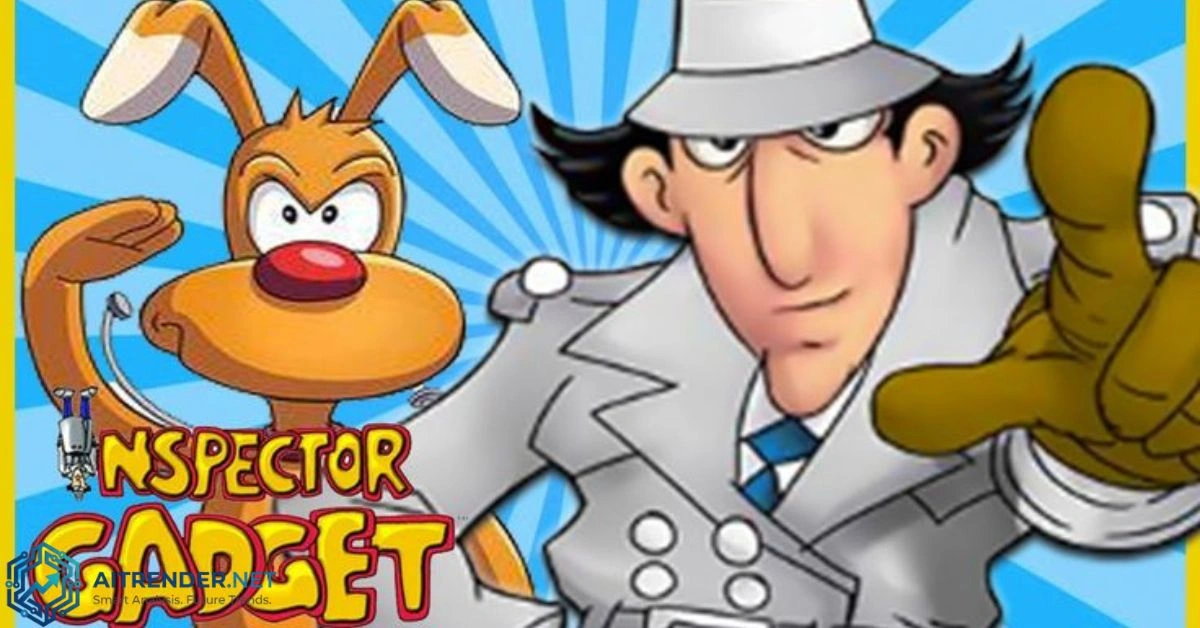
I still remember flipping on the TV after school, that bouncy theme song kicking in, and knowing exactly what kind of glorious nonsense was coming. Inspector Gadget charging into trouble with his “Go-Go-Gadget” gadgets while the real heroics happened behind the scenes. But let’s be honest—the show wouldn’t have been half as fun without its perfect foil: the shadowy mastermind always plotting from his high-tech lair. That guy was Dr. Claw, the definitive Inspector Gadget Villain whose unseen face and thunderous voice made him an instant legend.
Dr. Claw didn’t need a flashy costume reveal or endless monologues to steal every scene. You only ever saw his clawed right hand slamming down on a control panel, his pet M.A.D. Cat looking perpetually annoyed, and that deep, gravelly voice spitting pure frustration. “I’ll get you next time, Gadget! Next time!” Those words closed out nearly every episode like clockwork, turning defeat into a promise of more chaos ahead. Growing up with this in the ’80s, it felt personal. This wasn’t some cartoon bad guy phoning it in—he was the persistent thorn that kept the whole machine running.
Who Exactly Was Dr. Claw?
Dr. Claw led the criminal syndicate known as M.A.D.—short for something malevolent, though the show never over-explained it. The organization specialized in elaborate heists, kidnappings, world-domination plots, and whatever scheme could pit them against Metro City’s bumbling cybernetic detective. Agents in disguises, elaborate traps, high-tech gadgets of their own—nothing was off limits if it meant taking down Gadget.
What made him stand out? The mystery. Unlike villains who strutted around boasting, Dr. Claw stayed hidden. His face never appeared in the original series, a deliberate nod to Blofeld from James Bond. That unseen presence built tension. Every time his hand crushed a gadget or stroked M.A.D. Cat, you felt the menace. Frank Welker’s voice work sold it completely—part rage, part theatrical evil genius. Later iterations gave him more screen time or even a face in live-action, but nothing beat that original shadowy silhouette.
His motivations boiled down to power and payback. Gadget represented everything that foiled his plans, even if the inspector himself barely understood what was happening. Dr. Claw’s temper tantrums after each failure became comedy gold. He’d yell at underlings, blame bad luck, and immediately start scheming again. That resilience, mixed with constant frustration, made him relatable in a weird way. Who hasn’t had a project blow up in their face and wanted to shake their fist at the sky?
The M.A.D. Machine: Organization, Agents, and Endless Schemes
M.A.D. wasn’t just one guy’s hobby. It was a full-blown evil corporation with operatives everywhere. They infiltrated conventions, stole artifacts, built doomsday devices, and always had a backup plan that somehow involved kidnapping Penny or trapping Brain. The agents were disposable but persistent—disguised as everything from window washers to scientists.
- High-tech lairs: Dr. Claw operated from mobile bases, hidden fortresses, and tricked-out vehicles that screamed ” supervillain chic.”
- Signature gadgets: Claw’s own inventions often mirrored Gadget’s but with a darker twist—laser claws, rocket chairs, you name it.
- Recurring failures: No matter the plan’s brilliance, something always went sideways, usually thanks to Penny’s computer book and Brain’s silent heroics.
- Cat companion: M.A.D. Cat endured endless abuse, getting slammed by Claw’s fist or used as a stress toy. Their dynamic added slapstick to the villain’s scenes.
These elements kept episodes fresh even as the formula stayed reliable. You’d watch Dr. Claw lay out a perfectly evil plan, cheer as Gadget stumbled through it obliviously, and laugh when everything collapsed. It was comfort food television at its finest.
Iconic Moments That Cemented His Legacy
Think back to any random episode. Dr. Claw barking orders, his hand gesturing wildly as he described the latest world-takeover bid. Or that satisfying final shot where he vows revenge while the credits roll. These beats defined the series.
In one classic setup, M.A.D. targets a valuable invention at a convention. Claw’s agents swarm in, only for Gadget’s gadgets to accidentally foil them while he chats about unrelated nonsense. The rage in Dr. Claw’s voice when he realizes another defeat? Chef’s kiss. Or episodes where he directly confronts the inspector through video feeds, only to get outmaneuvered by a dog and a 10-year-old girl. The irony never got old.
His catchphrase became cultural shorthand for persistent rivalry. Kids quoted it on playgrounds. Adults still drop it in memes decades later. That level of staying power speaks to how well the character clicked with audiences.
Dr. Claw vs. Other 80s Cartoon Villains: A Head-to-Head Showdown
To really appreciate what made this Inspector Gadget Villain special, it helps to stack him up against his peers. The ’80s gave us a golden age of memorable bad guys—Skeletor, Cobra Commander, Mumm-Ra, Megatron, and more. Here’s a comparison table highlighting key traits:
| Villain | Motivation | Base of Operations | Catchphrase | Sidekicks/Henchmen | Effectiveness Style |
| Dr. Claw | World domination & destroying Gadget | Hidden lairs, mobile command centers | “I’ll get you next time, Gadget! Next time!” | M.A.D. agents, M.A.D. Cat | Persistent schemer, unseen menace |
| Skeletor | Power over Eternia | Snake Mountain | “By the power of Grayskull… I’ll get you!” | Beast Man, Trap Jaw, etc. | Boastful, often incompetent |
| Cobra Commander | Global conquest via Cobra | Various Cobra bases | “Cobra!” or threats to Joes | Destro, Baroness, troops | Charismatic leader, high-tech |
| Mumm-Ra | Ancient evil dominance | Black Pyramid | Evil incantations | Mutants, ancient spirits | Sorcerous, resurrecting |
| Megatron | Decepticon supremacy | Nemesis ship, Cybertron | “Decepticons, transform and rise up!” | Starscream, Soundwave | Military strategist, powerful |
Dr. Claw stands apart because of his restraint. While others hammed it up with full-face reveals and dramatic poses, he let the mystery and voice do the heavy lifting. His organization felt more corporate-evil than fantasy-army, which grounded the cartoon in a fun spy-parody vibe. Others might win more battles on-screen, but Claw’s consistency in defeat-turned-promise made him endlessly rewatchable.
How Dr. Claw Influenced Modern Villains and Pop Culture
The impact ripples far beyond the original run. Later Inspector Gadget revivals tweaked the formula—adding Talon as a nephew sidekick in the 2015 series, or giving Claw more direct involvement—but the core DNA stayed intact. His influence shows up in other media too: shadowy antagonists who operate from afar, frustrated masterminds, and villains whose greatest enemy is their own incompetence mixed with heroic luck.
For those diving deeper into character analysis or structural breakdowns of classic cartoons, check out this detailed enntal guide that breaks down narrative patterns across decades of animation. It puts Dr. Claw’s archetype into sharper perspective.
His legacy also ties into how we design digital experiences today. The clean, memorable visuals and repetitive hooks from 80s cartoons inform modern interfaces and storytelling. If you’re building sites or brands that need that same sticky appeal, exploring bespoke web guide 2026 resources can help align with current standards while honoring what made old-school icons work so well.
The Enduring Appeal: Why We Still Root for (and Against) Him
Kids loved the action and gadgets. Adults appreciated the layered humor—Gadget’s obliviousness mirroring real-world bureaucracy, Penny’s competence as quiet empowerment, and Dr. Claw as the ultimate sore loser. The show balanced silly and smart without talking down to viewers.
Rewatching now, the animation holds up better than expected. The voice cast nailed every line. And Dr. Claw’s rants still deliver. He wasn’t the most competent villain, but he was the most committed. That dogged pursuit of victory despite constant failure resonates. Life throws curveballs; the best characters keep swinging anyway.
Frequently Asked Questions
1. Who is the main villain in Inspector Gadget?
Dr. Claw, leader of the M.A.D. organization. He’s the driving force behind every major scheme and the source of that unforgettable closing line.
2. Why does Dr. Claw never show his face?
It was a stylistic choice inspired by classic spy thrillers. Keeping him hidden built mystery and let his voice and actions carry the menace.
3. What does M.A.D. stand for?
The show treats it as an acronym for their evil goals, but it’s mostly played for the “malevolent” vibe. Details stay vague to keep the focus on schemes.
4. Did Dr. Claw ever win an episode?
Not really. The formula demanded his plans fail, but the “next time” promise kept hope alive for future episodes.
5. How does the 2015 series change Dr. Claw?
It makes him a bit more bumbling and introduces family dynamics with Talon, shifting from pure menace to pettier crimes while keeping the core rivalry.
6. Is Dr. Claw based on any real or fictional characters?
Strong Blofeld parallels from Bond films, with a dash of generic evil genius tropes. The unseen hand and cat combo sealed his uniqueness.
7. Why do people still talk about him decades later?
Perfect voice acting, reliable catchphrase, and that perfect foil to Gadget’s chaos. He embodies the joy of Saturday morning cartoons—over-the-top, memorable, and endlessly quotable.
Dr. Claw wasn’t just a villain. He was the spark that made every gadget deployment, every narrow escape, and every “wowzers” moment land harder. In a sea of flashy 80s antagonists, this Inspector Gadget Villain carved out a quiet, clawed legacy that still grips fans today. Next time you hear that theme song, remember the guy in the shadows making it all possible.
For More Information Visit Aitrender.