



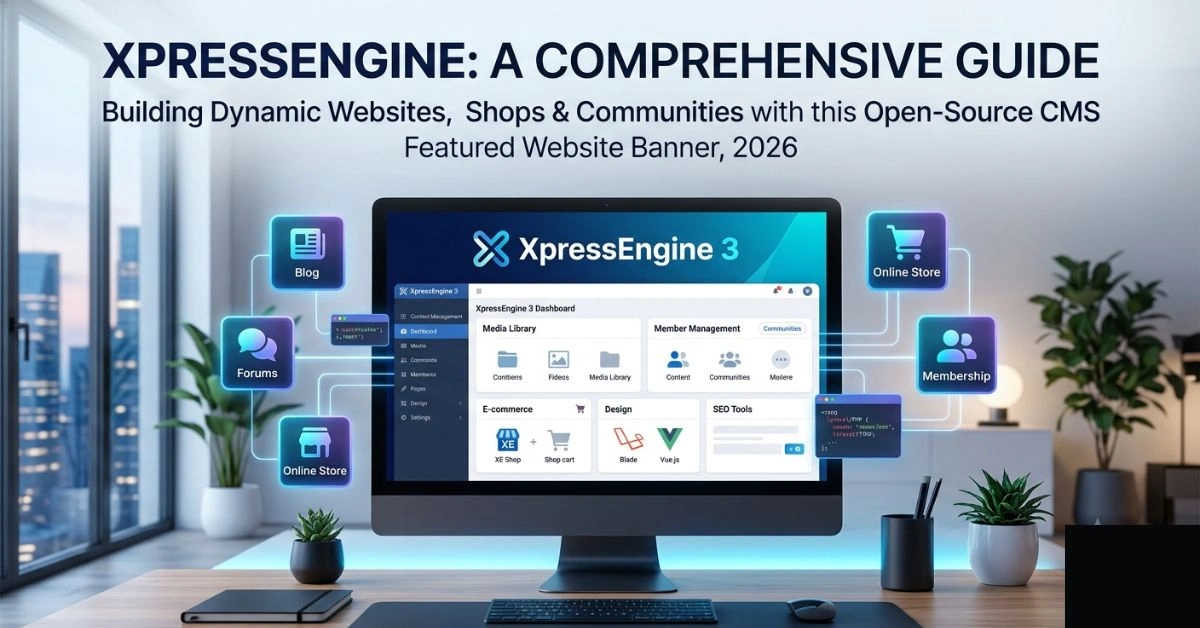
XpressEngine, commonly known as XE, stands out as a flexible, open-source content management system that has powered countless websites, particularly in South Korea. Whether you’re a developer looking for robust customization or a business owner needing a reliable platform for an online store or community site, XE delivers practical tools without unnecessary complexity.
This article covers everything from its origins to advanced usage, helping you decide if it fits your next project. You’ll find clear steps for getting started, real-world applications, and honest insights into its strengths and limitations.
The Origins and Evolution of XpressEngine
XpressEngine traces its roots to ZeroBoard, a popular Korean bulletin board system. Naver acquired it and assembled a development team led by key figures to create a more comprehensive CMS. The first versions launched around 2007-2008 as an evolution toward a full website builder.
Early iterations focused on community features like forums and member management, which suited Korea’s active online culture. Over time, it expanded into a modular system supporting blogs, shops, and intranets.
The transition to XE3 marked a significant shift. The team rebuilt it on the Laravel PHP framework, introducing modern development practices while maintaining the core philosophy of ease and extensibility. This version isn’t backward compatible with older 1.x releases, leading some users to forks like Rhymix, but XE3 continues active development through Xehub.
Today, XE serves diverse sites, from e-commerce platforms to educational portals and internal tools. Its Korean heritage gives it an edge in handling local requirements like specific payment gateways or regulatory compliance.
Why Choose XpressEngine in 2026?
Many platforms promise quick site building, but XE stands apart through its balance of simplicity for beginners and depth for experts. It avoids the bloat common in some popular alternatives while offering strong community and shopping features tailored to real needs.
Key advantages include:
- Open-source freedom under LGPL, allowing full code access and modification.
- Laravel foundation for clean, maintainable code and access to a vast ecosystem of packages.
- Modular design with bundles, modules, widgets, and skins for targeted enhancements.
- Performance focus suitable for high-traffic community sites.
- Korean market optimizations like integrated shopping and membership tools.
Businesses appreciate the ability to start simple and scale into complex applications without switching platforms.
Core Features of XpressEngine 3 (XE3)
XE3 builds on Laravel to provide a service-friendly experience. The bundle system lets you extend functionality quickly, with fast feedback during development.
Content Management and Publishing
The editor supports rich media, and the built-in media library makes handling images and videos straightforward. You can create custom content types and manage them efficiently.
Short paragraphs and responsive design ensure good readability across devices. Built-in SEO tools help with meta tags, sitemaps, and clean URLs out of the box.
Member and Community Tools
XE excels at user management. Set up registration, groups, permissions, and profiles with ease. Features like 1:1 inquiries and point systems support active communities.
Moderation tools keep discussions healthy, while notifications engage users without extra plugins in many cases.
E-commerce Capabilities
With XE Shop and related modules, you can build full online stores. Manage products, inventory, orders, customers, and payments. Live commerce options fit modern Korean retail trends.
Integration with local services streamlines operations for businesses targeting domestic markets.
Design and Customization
Skins and layouts offer visual flexibility. Developers use Blade templating and Vue.js components for modern frontends. The system supports responsive designs natively.
For designers, the ecosystem allows creating and even selling themes through official stores.
Technical Strengths
- Modern PHP with Composer for dependency management.
- Database abstraction supporting multiple systems.
- Strong security practices and regular updates.
- Caching and optimization features for speed.
These elements make XE suitable for everything from personal blogs to enterprise intranets.
Installing and Setting Up XpressEngine
Getting started with XE3 is direct if you meet basic server requirements: PHP 7.0+, essential extensions like PDO, cURL, GD, and a MySQL-compatible database.
Step-by-Step Installation
- Download the latest core from the official site or GitHub.
- Upload files to your server.
- Run the web installer, which guides database setup and admin account creation.
- Configure basic settings like site name, URL, and language (Korean and English supported).
For advanced setups, use Composer to manage packages. Nginx or Apache configurations are well-documented, with example rewrite rules available.
Local development works well with tools like Laravel Sail or Homestead. Test environments help experiment before going live.
Common Post-Installation Tasks
- Install essential modules for boards, blogs, or shops.
- Set up backups and security basics.
- Optimize for performance with caching.
The process typically takes under an hour for experienced users. Beginners benefit from hosted options that handle much of the technical work.
Customizing XpressEngine for Your Needs
One of XE’s biggest draws is extensibility. Modules add specific features, widgets enhance sidebars or pages, and addons integrate third-party services.
Developers familiar with Laravel will feel at home writing custom bundles. The clear structure and documentation speed up development.
For non-coders, the marketplace offers ready-made solutions. Themes range from minimalist blogs to full corporate designs.
When integrating external services, XE’s hook system and APIs provide clean connection points. This flexibility helps create unique experiences tailored to specific industries.
Real-World Use Cases and Success Stories
XE powers a wide variety of projects. E-sports platforms use it for tournaments and live streaming. Educational sites manage courses and student portals. Real estate intranets handle property data securely.
Shopping malls leverage XE for multi-vendor setups. Community sites thrive on its forum heritage. Businesses building reservation systems or job boards find native strengths.
These examples show XE’s versatility beyond basic blogging. Its Korean roots make it particularly strong for projects needing local compliance or features.
Comparing XpressEngine with Other CMS Platforms
While WordPress dominates globally, XE holds a solid niche, especially in Korea. Here’s how they stack up in key areas:
Ease of Use: WordPress offers a gentler start for absolute beginners. XE requires more technical comfort but rewards with cleaner architecture long-term.
Performance: XE3’s Laravel base often leads to better scalability for custom applications. WordPress can slow down with many plugins.
Customization: Both are extensible, but XE’s module system feels more integrated for developers.
E-commerce: Dedicated XE shopping tools compete well with WooCommerce for certain markets.
Community and Ecosystem: WordPress wins on sheer volume of resources. XE’s focused Korean community provides high-quality, relevant support.
Many users choose XE when they need precise control and avoid plugin overload. Others migrate from older XE versions or seek alternatives for global reach.
A structured comparison highlights these trade-offs clearly for decision-making.
Optimizing XpressEngine for SEO and Performance
Search engines favor fast, well-structured sites. XE supports clean URLs, schema markup, and fast loading when configured properly.
Focus on:
- Responsive themes.
- Optimized images through the media manager.
- Proper heading structure and internal linking.
- XML sitemaps and robots.txt customization.
Regular updates keep security tight, which Google appreciates. Combine with quality content and natural link building for strong rankings.
For high-traffic sites, enable caching layers and consider CDN integration. These steps help XE compete effectively in search results.
Security Best Practices for XpressEngine Sites
Open-source systems require vigilance. XE benefits from active maintenance and Laravel’s security features.
Key habits include:
- Keeping core and extensions updated.
- Using strong passwords and two-factor authentication where available.
- Regular backups.
- Monitoring logs for suspicious activity.
- Limiting file permissions.
The community often shares security advisories promptly. Following official guidelines minimizes risks.
The XpressEngine Community and Resources
Support comes through official forums, documentation, and GitHub. Korean resources are abundant, with growing English materials.
Developers contribute modules and themes, fostering an active ecosystem. Official hosting and maintenance services provide professional support for businesses.
For learning, explore the guide site covering installation, development, and frontend topics.
Advanced Development with XpressEngine
Experienced programmers leverage Laravel’s full power alongside XE-specific features. Custom APIs, queues, and service providers open sophisticated possibilities.
Testing frameworks and modern deployment practices fit naturally. This makes XE a strong choice for teams building maintainable, scalable applications.
Future Outlook for XpressEngine
Ongoing updates focus on modern web standards, better developer experience, and expanded solutions. The Laravel foundation ensures longevity as PHP evolves.
As web needs grow more specialized, XE’s modular approach positions it well for tailored solutions rather than one-size-fits-all platforms.
Integrating Complementary Tools and Services
Successful sites often combine CMS capabilities with external services. For reliable data recovery solutions on Mac systems, consider specialized software when managing backups or media files. Check options like SD card data recovery software for Mac for protecting important assets.
For rental or booking-related extensions, explore relevant platforms that complement XE’s reservation modules. Services like those at aitrender.net/renteaza/ can inspire feature ideas for property or equipment management sites.
These integrations enhance overall project robustness.
Common Challenges and How to Overcome Them
Users sometimes face a learning curve with the modular system. Start small, master core concepts, then expand.
Documentation gaps in English exist, but community forums and code examples help bridge them. Performance tuning requires attention to server resources and optimization settings.
Migration from older versions needs careful planning due to incompatibility. Many successfully transition by rebuilding strategically.
With patience and available resources, these hurdles become manageable.
Measuring Success with XpressEngine Sites
Track metrics like load times, user engagement, conversion rates, and search visibility. Tools like Google Analytics integrate smoothly.
Regular content updates and feature enhancements keep sites fresh. Community feedback guides improvements.
Many XE-powered projects demonstrate strong longevity and adaptability.
FAQs About XpressEngine
1. What is XpressEngine best used for?
XpressEngine excels at community sites, online shops, blogs, and custom web applications, especially those targeting Korean users or needing strong membership features.
2. Is XpressEngine free?
Yes, the core is open-source and free. Some extensions, themes, or hosted services may involve costs.
3. How does XE3 compare to older versions?
XE3 uses Laravel for modern development and isn’t compatible with 1.x. It offers better structure and future-proofing.
4. Can beginners use XpressEngine?
Basic sites are manageable, but full customization benefits from development knowledge. Hosted solutions lower the barrier.
5. Does XpressEngine support e-commerce?
Yes, through dedicated shopping modules and XE Shop for product and order management.
6. Where can I get support for XpressEngine?
Official forums, documentation at xpressengine.com, and GitHub provide help. Professional services are available for businesses.
7. Is XpressEngine secure?
With regular updates and proper configuration, it maintains good security. Follow best practices like any CMS.
8. How do I migrate content to or from XpressEngine?
Tools and custom scripts exist. Planning and testing are essential for smooth transfers.
This guide equips you with practical knowledge to evaluate and implement XpressEngine effectively. Its combination of heritage, modern foundations, and flexibility makes it a compelling choice for targeted web projects. Explore the official resources to begin building your next site.