



Tortellini, those signature ring-shaped stuffed pastas from Emilia-Romagna, carry centuries of culinary tradition. Legend ties their navel-like form to an innkeeper in Castelfranco Emilia who glimpsed Venus and sought to capture her beauty in dough. Practical origins likely trace to medieval meat-filled parcels that evolved into the delicate, broth-simmered bites we know today. The first documented recipes appear in the 16th century, emphasizing a precise hand-fold that seals meat, cheese, or vegetable fillings while creating the distinctive twisted shape.
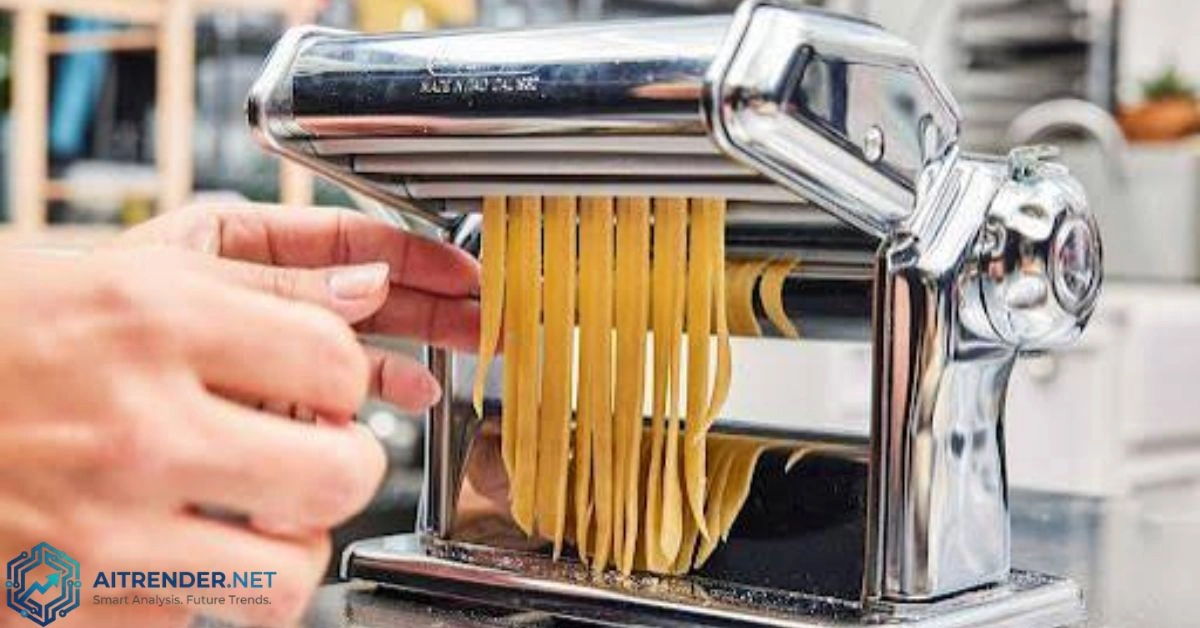
Replicating this by hand demands skill honed over years—rolling thin egg dough, portioning filling, and folding each piece around a fingertip without tearing or leaking. For small producers and industrial lines, the Tortellinatrice emerged as the mechanical solution that preserves tradition at scale. These specialized machines handle the full sequence from sheeted dough to finished tortellini, delivering consistency that manual labor struggles to match in volume while respecting the pasta’s structural demands.
How a Tortellinatrice Works: From Sheet to Sealed Ring
A Tortellinatrice integrates several synchronized stations in a continuous or semi-continuous operation. It begins with calibrated dough sheets, typically 0.6–1.2 mm thick, fed from rollers or prior sheeting equipment. Dual sheets often sandwich the filling, though single-sheet variants with precise dosing exist for certain models.
Filling injection follows via a hopper and piston or pump system. The filling—finely minced to avoid clogs—dispenses in controlled dots onto the dough at exact intervals. Adjustable parameters govern quantity, typically 3–8 grams per piece depending on size, ensuring plump yet balanced tortellini. Overfilling risks burst seals; underfilling yields flat results.
Next comes cutting and forming. Rotary dies or reciprocating punches cut circles or squares around each filling deposit. Mechanical fingers, pins, or forming tools then lift and fold the dough edges. The critical twist mimics the human fingertip: the pasta wraps around a central pin or mandrel, with edges pressed and sealed through calibrated pressure and, in some models, light moisture or egg wash for adhesion. Excess dough trims away as scrap, often recycled after rehydration.
Sealing is completed via compression rollers or heated elements that activate gluten without cooking the pasta. Output conveyors carry finished pieces to drying, packaging, or freezing stations. Modern units incorporate sensors for dough tension, filling flow, and seal integrity, minimizing waste and downtime. Speeds vary widely: benchtop models might produce 20–50 kg/hour, while high-output lines exceed 200–500 kg/hour.
The engineering challenge lies in synchronizing these actions at speed without compromising the delicate egg dough, which behaves differently from semolina-only varieties. Variable frequency drives, servo motors, and quick-change molds allow switching between tortellini, cappelletti, or tortelloni sizes.
Industrial Engineering Precision Behind the Tortellinatrice
Designing a reliable Tortellinatrice requires balancing food safety, throughput, and mechanical finesse. Stainless steel AISI 304 or 316 dominates contact surfaces for corrosion resistance and cleanability. Components must withstand frequent washdowns while maintaining tight tolerances—often within fractions of a millimeter—for consistent folding.
The folding mechanism particularly showcases advanced automation. Multiple synchronized punzoni (punches) or forming stations operate in parallel, with cam-driven or pneumatic actions replicating the nuanced hand motion. Bearings, gearboxes, and motors operate in sealed housings to prevent lubricant migration into food zones. This precision engineering echoes the sophisticated systems found in high-stakes environments, such as those detailed in analyses of complex automated platforms like the https://aitrender.net/space-force-orbital-warship-carrier/, where reliability under demanding conditions defines success.
Control systems range from basic electromechanical panels on smaller units to PLCs with HMI touchscreens on industrial lines, enabling real-time adjustments to dough thickness, filling volume, and production speed. Some integrate Industry 4.0 features for predictive maintenance and data logging, crucial for traceability in regulated food production.
Choosing the Right Tortellinatrice: A Manufacturer’s Guide
Pasta producers evaluate equipment based on output needs, product quality targets, facility constraints, and budget. Key factors include hourly capacity, dough handling versatility, changeover time, and compliance with hygiene standards like HACCP or FDA equivalents.
For detailed evaluation frameworks, resources like the comprehensive technical reviews at https://aitrender.net/brasssmile-com-complete-guide-2026/ offer valuable parallels in assessing specialized manufacturing precision and long-term value.
Artisanal or small-batch operations favor compact benchtop or floor models with manual or semi-automatic feeds. These excel in flexibility for recipe experimentation and smaller runs of premium filled pastas. Medium-scale lines suit regional distributors or restaurants with in-house production. Full industrial setups integrate into automated lines with upstream sheeters, mixers, and downstream pasteurizers or freezers.
Consider power requirements, footprint, and serviceability. Italian manufacturers like those represented by specialists in the field dominate, emphasizing robust construction and local parts availability. Test runs with your specific dough formulation prove essential, as egg content, hydration, and gluten strength affect performance.
Maintenance and Sanitation: Keeping Machines Audit-Ready
Food-grade machinery demands rigorous upkeep to prevent bacterial harborage and ensure consistent performance. Daily protocols include disassembling removable parts—hoppers, distributors, forming tools, and conveyors—for thorough cleaning. Avoid submerging motors or electronics; use food-safe detergents, followed by sanitizers and complete air-drying.
Rollers and sealing surfaces require gentle brushing or scraping to remove dried dough residue. Some operators run scrap dough through the system to purge internals before deep cleans. Lubricate approved points with food-grade grease only, avoiding contamination. Weekly or monthly deep maintenance involves inspecting seals, belts, sensors, and alignment, plus checking for wear on punches and dies that could degrade fold quality.
Sanitation teams follow SSOPs (Sanitary Standard Operating Procedures), documenting cleaning validation, especially in low-moisture environments prone to Salmonella risks. Moisture control remains paramount—standing water invites issues. Training operators on proper shutdown sequences and residue prevention minimizes cross-contamination. Well-maintained machines not only pass audits but sustain higher outputs and better pasta quality over years of service.
Comparison of Tortellinatrice Types
Here is a detailed comparison of typical configurations:
| Feature | Artisanal Benchtop | Medium Scale (Workshop) | High-Output Industrial |
| Capacity (kg/hour) | 10–60 | 50–150 | 200–600+ |
| Speed (pieces/min) | 50–200 | 300–800 | 1,000–5,000+ |
| Dough Thickness Handling | 0.5–1.5 mm, manual calibration | 0.6–1.2 mm, semi-auto adjustment | 0.4–1.8 mm, automated sensors |
| Filling Types | Versatile, including chunky | Most standard fillings | Optimized for smooth, high-volume |
| Changeover Time | 15–45 minutes | 10–30 minutes | 5–20 minutes with quick molds |
| Ideal Use Cases | Small labs, restaurants, R&D | Regional producers, specialty runs | Large factories, private label |
| Power & Footprint | 0.5–2 kW, compact | 2–5 kW, moderate | 10+ kW, integrated line |
| Automation Level | Semi-manual | PLC basic | Full Industry 4.0 |
| Price Range (approx.) | Lower entry | Mid-tier investment | Significant capital |
This table highlights trade-offs: artisanal models prioritize flexibility and authenticity, while industrial ones emphasize efficiency and repeatability. Actual specs vary by manufacturer; always verify with current models.
Practical Insights from the Field
Experienced operators stress dough consistency above all. Too dry, and seals fail; too wet, and pieces stick or deform. Many run test batches daily, adjusting hydration based on ambient humidity and flour batch variations. Filling temperature control (chilled but not frozen) prevents separation during high-speed dosing.
Integration with complementary equipment matters. Pairing with precise sheeters ensures uniform sheets, while downstream cooling or modified-atmosphere packaging extends shelf life for fresh distribution. Energy efficiency has grown in importance, with newer models featuring variable drives that reduce consumption during partial runs.
Quality control checkpoints include visual inspection for seal integrity, weight sampling, and burst testing in broth. Premium producers might incorporate gentle handling to minimize dough stress, preserving the tender bite that defines artisanal tortellini even at scale.
The Tortellinatrice represents a triumph of food engineering—honoring centuries-old technique through modern precision. Whether in a modest laboratorio or a sprawling facility, these machines enable wider access to Emilia-Romagna’s iconic pasta while challenging operators to maintain the soul of the craft.
FAQS
1. How does a Tortellinatrice differ from a standard ravioli machine?
Tortellinatrice units include specialized folding and twisting mechanisms to create the ring shape, beyond simple pressing and cutting used for flat ravioli.
2. What dough thickness works best for machine-made tortellini?
Aim for 0.6–0.9 mm final sheets. Thinner risks tearing during folding; thicker yields tough texture after cooking.
3. Can Tortellinatrice handle non-traditional fillings?
Yes, with adjustments. Smooth, homogeneous fillings perform best; chunky ones may require larger nozzles and slower speeds to avoid jams.
4. How often should industrial models undergo deep maintenance?
Daily surface cleans, weekly deep disassembly, and monthly full inspections or as dictated by production hours and audit schedules.
5. What is the typical ROI timeline for a medium-scale Tortellinatrice?
Many operations see payback within 12–24 months through labor savings, reduced waste, and increased output, depending on utilization.
6. Are there tabletop models suitable for home or very small commercial use?
Limited options exist, often manual-assisted. Most true Tortellinatrice target commercial volumes; home cooks usually rely on manual techniques or ravioli attachments.