



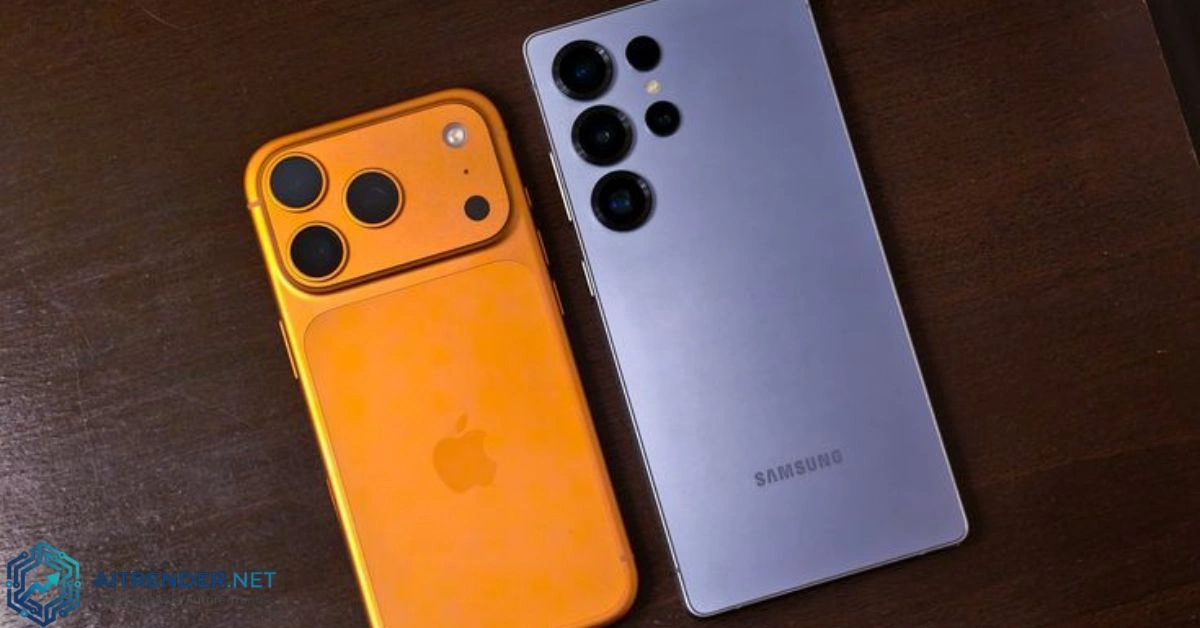
Introduction
Picking the right smartphone in 2026 feels heavier than ever. Flagships pack more power, smarter AI, and refined designs, but the differences that matter day-to-day have narrowed. This guide cuts straight through the noise with a head-to-head look at two of the year’s strongest contenders: Apple’s iPhone 17 and Samsung’s Galaxy S26.
You’ll see clear strengths in build quality and ecosystem polish for one, and flexibility plus raw hardware ambition for the other. By the end, you’ll know exactly which fits your priorities—whether that’s seamless video creation, long-term software support, or versatile daily tools. No hype, just practical insights from how these devices handle real tasks like commuting, creative work, gaming, and travel.
Design and Build: Everyday Feel and Durability
The iPhone 17 keeps Apple’s signature minimalist approach with a refined titanium frame on Pro models and strong aluminum on the base. It feels premium yet approachable, with a slightly more compact body that slips easily into pockets. The Ceramic Shield front has proven tough against drops in everyday scenarios, and the overall weight distribution makes one-handed use comfortable for longer periods.
Samsung’s Galaxy S26 pushes boundaries with a more sculpted design, often featuring Gorilla Glass Armor or equivalent for superior scratch resistance. The S26 series offers size options, including a compact base model that rivals the iPhone’s ergonomics while delivering a bigger screen real estate in some variants. Its IP68 rating holds up well, and the inclusion of an S Pen on Ultra variants adds genuine productivity for note-takers and artists.
In direct testing scenarios—pocket carry, one-handed typing, and accidental drops—the iPhone edges out for simplicity and consistent feel across the lineup. Samsung wins for those who want expandable storage or a stylus. Both feel built to last years, but Samsung’s design language gives more visual flair with color options that pop.
Displays: Brightness, Smoothness, and Real-World Viewing
Samsung has long led in display tech, and the Galaxy S26 continues that with adaptive 120Hz LTPO panels that hit higher peak brightness in direct sunlight—often exceeding 1300 nits measured. Colors appear vibrant out of the box, with excellent HDR support for streaming and gaming. The anti-reflective coating reduces glare effectively during outdoor use.
Apple’s iPhone 17 display delivers more natural color accuracy and smoother integration with iOS animations. While peak brightness sits slightly lower, the ProMotion technology (or equivalent) ensures buttery responsiveness. For video editors and photographers who prioritize true-to-life tones, the iPhone’s tuning often feels more reliable over long sessions.
Side-by-side, Samsung takes outdoor visibility and media consumption. The iPhone shines in color-critical work. Both minimize PWM flicker better than older generations, reducing eye strain for heavy users.
Performance and AI Capabilities
Under the hood, the Galaxy S26’s Snapdragon 8 Elite (or regional equivalent) delivers strong benchmark numbers and efficient multitasking. It handles demanding games at high settings with less thermal throttling in extended play. Samsung’s Galaxy AI features—real-time translation, note summarization, and generative editing—feel more accessible and integrated into daily workflows like calls, emails, and content creation.
Apple’s A-series chip in the iPhone 17 emphasizes efficiency and neural engine power for on-device AI. Tasks like photo processing and Siri interactions happen faster with better privacy, as much processing stays local. Gaming performance is rock-solid, though some titles optimize better on Android’s more open ecosystem.
For raw power users and gamers, Samsung pulls ahead slightly. For seamless, battery-friendly performance over years, the iPhone’s optimization wins. Both support years of updates, but Apple’s track record suggests longer viability.
Cameras: Versatility vs Consistency
This is where preferences diverge sharply. The Galaxy S26 series offers a versatile triple or quad camera setup, including strong telephoto options and advanced zoom. Samsung’s processing delivers punchy, detailed shots in varied lighting, with excellent video stabilization and features like 8K recording. AI tools help with quick edits, object removal, and night mode enhancements.
Apple’s iPhone 17 prioritizes consistency and computational photography that “just works.” Colors stay true, video quality—especially in dynamic scenes—remains class-leading with superior audio capture. The new sensor improvements help in low light without over-sharpening.
Photographers who shoot a lot of video or need reliable point-and-shoot results lean iPhone. Creators wanting zoom range, manual controls, and post-processing flexibility prefer Samsung. Both produce excellent results that most users will love, but the differences show in edge cases like wildlife or concert photography.
Gadget and Gadget Compared here reveals Samsung’s hardware ambition against Apple’s software refinement. The Galaxy S26 gives you more tools to experiment, while the iPhone 17 delivers polished output with less fiddling.
Battery Life and Charging
Real-world endurance favors the Galaxy S26 in many tests, thanks to larger batteries and efficient silicon. Users report 7-8 hours of screen-on time with mixed use including navigation, streaming, and social apps. 45W+ wired charging and strong wireless options speed up top-ups.
The iPhone 17 offers very good efficiency, often lasting a full day comfortably, but it trails slightly in heavy gaming or video scenarios. Apple’s MagSafe ecosystem and optimized charging preserve long-term battery health better.
Samsung wins for power users on the go. iPhone suits those who value predictable all-day performance and ecosystem accessories.
Software, Ecosystem, and Longevity
iOS on the iPhone 17 feels more polished for productivity and privacy. Continuity with Mac, iPad, and Watch creates a frictionless experience. Updates arrive promptly and extend support longer.
One UI on the Galaxy S26 is highly customizable, with excellent multitasking, DeX-like features, and deeper Android flexibility. Samsung’s promise of seven years of updates matches or exceeds most competitors.
If you live in Apple’s world, the iPhone locks you in positively with tight integration. Android users or those wanting customization will appreciate Samsung more. Both handle AI features well, but implementation differs—Samsung more proactive, Apple more contextual.
Data Comparison Table
| Feature | iPhone 17 | Galaxy S26 | Winner/Notes |
| Display | 6.3″ Super Retina, excellent color accuracy | 6.3″+ Dynamic AMOLED, higher brightness | Samsung (outdoors), iPhone (color) |
| Processor/AI | A19 series, strong on-device | Snapdragon 8 Elite, versatile AI | Tie – depends on use |
| Cameras | Dual/triple, video king | Triple+, zoom & versatility | Samsung versatility, iPhone consistency |
| Battery Life | Strong efficiency, ~7h SoT | Larger capacity, ~8h SoT | Samsung |
| Software Support | 6-7+ years, seamless ecosystem | 7 years, highly customizable | iPhone ecosystem, Samsung flexibility |
| Price (approx base) | Starts lower in many markets | Competitive, often more features | iPhone value |
| Best For | Video, simplicity, Apple users | Power users, Android fans | – |
This table highlights trade-offs without oversimplifying. Actual experience depends on your existing devices and habits.
Other Considerations: Price, Repairability, and Accessories
Pricing in 2026 positions the base iPhone 17 as a strong value in many regions, while Samsung offers aggressive trade-in deals and more storage options at similar tiers. Repair costs and part availability favor neither dramatically, though Apple’s official network is widespread.
Accessories tell another story: MagSafe vs Samsung’s ecosystem of cases, styluses, and DeX docks. Your current setup—laptop brand, smartwatch, earbuds—will influence satisfaction more than raw specs.
For deeper ecosystem insights, check this bespoke web guide for 2026. And if you’re exploring broader tech setups, the enntal guide offers useful parallels.
FAQs
1. Which is better overall, iPhone 17 or Galaxy S26?
It depends. iPhone 17 for polished experience and video. Galaxy S26 for customization and hardware features. Most users will be happy with either.
2. How does battery life really compare in daily use?
Galaxy S26 often lasts longer under heavy load, but iPhone 17 feels more consistent due to software optimization. Both easily get through a day.
3. Is the camera difference noticeable?
Yes, in specific scenarios. Samsung excels at zoom and creative modes; iPhone at reliable, natural results and video.
4. Which has better long-term support?
Both promise strong update cycles, but Apple’s historical performance gives it a slight edge in perceived longevity.
5. Should I switch ecosystems?
Only if the new device’s strengths solve real pain points. Staying put usually yields better daily satisfaction.
6. Gadget and Gadget Compared—what about value?
The Galaxy S26 often packs more features for similar money, but the iPhone 17 delivers unmatched refinement that many find worth any premium.
Conclusion
The iPhone 17 and Galaxy S26 represent the best of their platforms in 2026. Samsung brings bold innovation, versatility, and power-user appeal. Apple delivers effortless reliability, ecosystem magic, and consistent excellence.
Your choice boils down to priorities: Android flexibility and feature density point to the Galaxy S26. Simplicity, video prowess, and tight integration favor the iPhone 17. Test both in-store if possible, consider trade-ins, and align with your current devices.
Either way, you’re getting a device that will serve exceptionally well for years. Make the decision based on how you actually use your phone—not marketing claims—and you’ll end up satisfied. The gap between top flagships has never been smaller, which is great news for consumers ready to upgrade.
For More Information Visit Aitrender.