



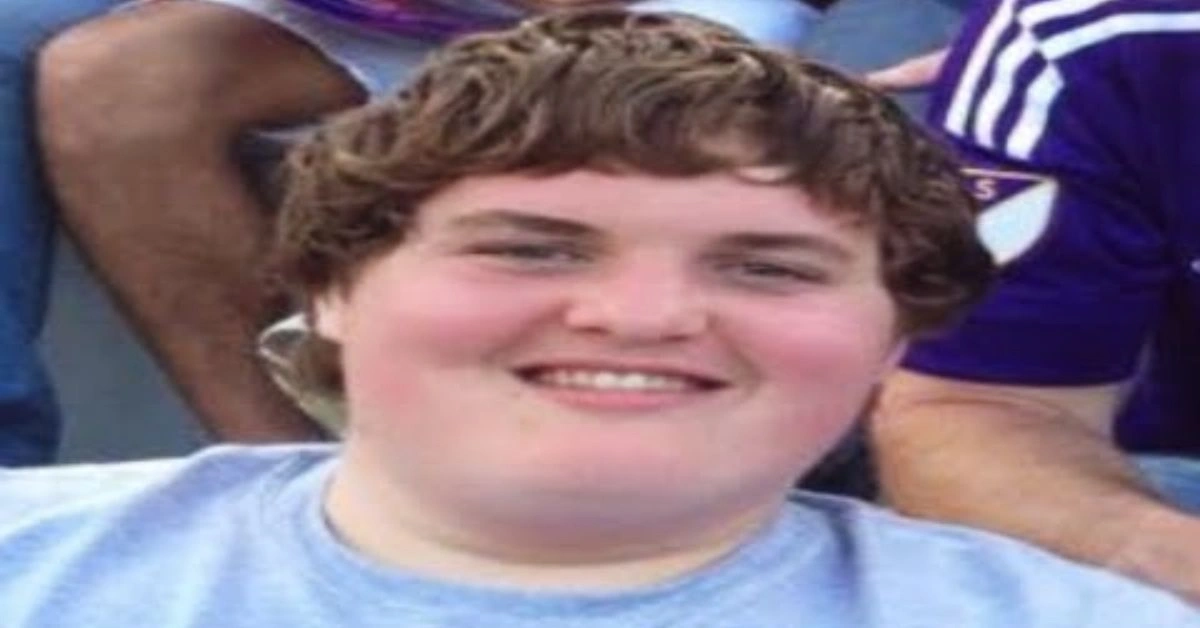
Who Is Clayton Ray Huff?
Clayton Ray Huff, better known by his online alias Dream or DreamWasTaken, stands as one of the most influential figures in Minecraft and broader gaming culture. Born on August 12, 1999, in Florida, he built a faceless empire that shattered YouTube records before stepping into the spotlight in 2022. His journey mixes technical skill in Minecraft speedrunning and manhunts with creative world-building that drew millions into collaborative storytelling.
Huff grew up in the Orlando area, specifically linked to Longwood, Florida. He attended Lyman High School, graduating in the class of 2017. Details about his early family life remain private, consistent with his preference for separating personal identity from online persona during his peak anonymity years. What stands out is his early interest in gaming, which evolved from casual play into sophisticated content that redefined how audiences engage with sandbox games.
His choice to operate anonymously for years, hiding behind a simple smiley-face mask logo, created an air of mystery that fueled speculation and loyalty. Fans analyzed voice patterns, speculated on height and appearance, and turned every clue into community lore. This approach amplified engagement in ways few creators achieve.
Early Life and Path into Content Creation
Clayton Ray Huff’s entry into content creation was unassuming. Like many creators of his generation, he started uploading Minecraft videos around 2014, but meaningful traction came later. By focusing on high-skill challenges and entertaining commentary, he differentiated himself in a crowded field.
Florida’s suburban environment shaped a creator comfortable in long streaming sessions and late-night creativity. His content often reflects a playful, competitive spirit honed through self-taught mechanics mastery. Early videos showcased speedrunning attempts and custom maps, laying groundwork for more ambitious projects.
What separated Huff early on was relentless iteration. He studied algorithms, thumbnail effectiveness, and audience retention with analytical precision. This behind-the-scenes work ethic turned hobbyist uploads into a professional operation. By 2019-2020, his subscriber count surged as Minecraft experienced a renaissance driven by new updates and his unique formats.
The Explosive Rise: Minecraft Manhunts and Viral Breakthrough
Dream’s breakthrough hinged on “Minecraft Manhunt,” where he evades multiple skilled hunters in survival mode with handicaps. These videos combined strategy, clutch moments, and narrative tension that kept viewers hooked for 20-40 minutes. One video became the most-viewed Minecraft gameplay on YouTube, cementing records.
The format’s genius lies in its accessibility and replayability. New viewers grasp rules quickly, while veterans appreciate advanced movement techniques like parkour, potions, and environmental exploits. Huff’s commentary mixes dry humor, genuine excitement, and self-deprecation, making wins feel earned and losses relatable.
This success coincided with the COVID-19 period, when audiences sought escapism. His channel ballooned to tens of millions of subscribers. Collaborations with creators like GeorgeNotFound and Sapnap formed the “Dream Team,” expanding reach through cross-content and shared streams.
Analytics show these manhunt videos drove exceptional watch time and shares. They influenced countless imitators and inspired server events across platforms. Huff’s ability to maintain high production value—editing, sound design, and pacing—elevated simple gameplay into polished entertainment.
Building the Dream SMP Universe
Beyond solo challenges, Clayton Ray Huff co-created the Dream SMP, a role-play server that became a phenomenon. It blended Minecraft survival with scripted storylines, character arcs, and interpersonal drama involving dozens of creators. At its height, it attracted massive live audiences and generated fan content ranging from animations to novels.
The SMP operated on loose lore with evolving alliances, betrayals, and wars. Huff’s character “Dream” served as a central antagonist or anti-hero figure, adding complexity. This format prefigured modern collaborative streaming worlds and influenced platforms like Twitch and TikTok through clips and edits.
Production demanded coordination across time zones, conflict resolution, and creative direction. Huff’s role involved not just playing but facilitating stories that resonated emotionally. Fans followed “seasons” like serialized television, discussing theories and predictions in dedicated communities.
The project’s scale highlighted shifts in digital media consumption. Long-form, unscripted-yet-narrative-driven content competed with traditional entertainment. As streaming evolved toward more interactive and community-owned experiences, projects like this paved the way. For deeper insight into how online platforms adapted similar models, see this hydrahd-ru-streaming-site-review-guide-2026, which examines transitions in digital media access and creator tools.
The 2022 Face Reveal: Expectations, Reality, and Backlash
On October 2, 2022, Huff uploaded “hi, I’m Dream,” removing the mask after years of speculation. The video drew over 20 million views quickly. He appeared as a tall, curly-haired young man in his early 20s—normal by any standard, yet the internet’s reaction split sharply.
Many fans celebrated the transparency and humanity. Others, fueled by unrealistic expectations built around the anonymous persona, unleashed criticism. Hashtags like #PutTheMaskBackOn trended alongside support. The episode sparked broader conversations about parasocial relationships, beauty standards in online spaces, and creator vulnerability.
Huff addressed the response thoughtfully in follow-ups, emphasizing mental health and the pressure of living up to an idealized image. He continued content but adjusted approach, sometimes returning to masked elements for branding consistency. The reveal humanized him, enabling real-world appearances and collaborations previously limited by anonymity.
Post-reveal, his output diversified. He pursued music, live events, and broader entertainment. The experience underscored risks and rewards of dropping anonymity in a visual-first internet.
Music Career and Creative Expansion
Clayton Ray Huff released original music under the Dream name, blending electronic, pop, and introspective elements. Tracks like those tied to Minecraft themes or personal experiences found dedicated listeners. While not his primary focus, music added another revenue stream and creative outlet.
His approach mirrors many gaming creators expanding into multimedia. Releases feature high production tied to visualizers or lore videos, maintaining brand cohesion. This diversification strengthens long-term career resilience amid platform algorithm changes.
Challenges, Controversies, and Resilience
Like any prominent figure, Huff faced scrutiny. Early speedrun controversies involved accusations of unfair advantages, which he addressed with transparency and rule adherence. Other online disputes stemmed from community drama or misinterpreted statements.
These moments tested his audience loyalty. Supporters often cite consistent authenticity and growth in handling criticism. He invested in better moderation and boundaries, modeling healthier creator practices.
His story illustrates streaming’s high-stakes environment. Rapid fame brings intense pressure, especially for someone starting young. Huff’s navigation—pausing when needed, refocusing on fun—offers lessons for aspiring creators.
In parallel, analytical approaches to talent and trends appear across fields. Similar to eagles-rookie-trade-makai-lemon-2026-draft-analysis, evaluating creator trajectories requires balancing raw skill, market timing, and adaptability—key factors in Huff’s sustained relevance.
Impact on Gaming, Streaming, and Youth Culture
Dream’s influence extends beyond views. He popularized advanced Minecraft techniques, boosted the game’s popularity during its second wave, and demonstrated faceless success was possible. Millions of young viewers learned editing, strategy, and community building through his example.
His work contributed to esports-adjacent entertainment, blurring lines between gameplay and performance art. The Dream SMP inspired educational uses of Minecraft for storytelling and collaboration skills.
Economically, he exemplifies the creator ‘s economic power. Estimates place his net worth in the millions from ads, merch, sponsorships, Twitch, and music. Exact figures vary, but consistent output and fan support sustain a substantial business.
Culturally, he represents a generation using internet tools for self-expression. His Florida roots and everyday relatability made high-level creativity feel attainable.
Current Activities and Future Outlook (as of 2026)
By 2026, Clayton Ray Huff balances legacy Minecraft content with new directions. He maintains a core audience through selective uploads, collaborations, and community events. Post-reveal life allows more in-person interactions, live shows, and varied projects.
He focuses on sustainability—avoiding burnout while innovating. Potential includes expanded media, podcasts, or production roles. His story remains dynamic, with fans anticipating next chapters.
Huff’s privacy stance evolved. While more open, he protects personal boundaries, a smart move in an era of constant connectivity.
Key Facts Table
| Aspect | Details |
| Real Name | Clayton Ray Huff |
| Birth Date | August 12, 1999 |
| Location | Florida (Longwood/Orlando area) |
| Known For | Minecraft Manhunts, Dream SMP |
| Face Reveal | October 2, 2022 |
| Major Achievements | YouTube records, Streamy Awards |
| Content Style | High-skill challenges, storytelling |
This table captures core identifiers without unnecessary expansion.
FAQs
1. What is Clayton Ray Huff’s real identity and background?
Clayton Ray Huff is the full name of the YouTuber and streamer known as Dream. He was born in 1999 in Florida and grew up in the Longwood area near Orlando.
2. Why is Clayton Ray Huff famous?
He gained fame through innovative Minecraft content, particularly manhunt videos and the Dream SMP server, amassing tens of millions of subscribers and breaking platform records.
3. When did Dream reveal his face?
Dream (Clayton Ray Huff) revealed his face on October 2, 2022, in a dedicated YouTube video that quickly went viral.
4. What is Dream’s net worth?
Estimates for Clayton Ray Huff’s net worth range from several million to over $10-15 million USD as of recent years, driven by YouTube, merch, music, and streaming.
5. Does Clayton Ray Huff still make Minecraft content?
Yes, he continues selective Minecraft and gaming content alongside other projects, maintaining a dedicated fanbase.
6. How tall is Dream / Clayton Ray Huff?
Public information and appearances indicate he is tall, often described around 6’2″ or similar, though exact measurements vary by source.
7. What happened after Dream’s face was revealed?
Initial mixed reactions gave way to continued career growth, with Huff embracing more real-life opportunities while preserving creative control.