



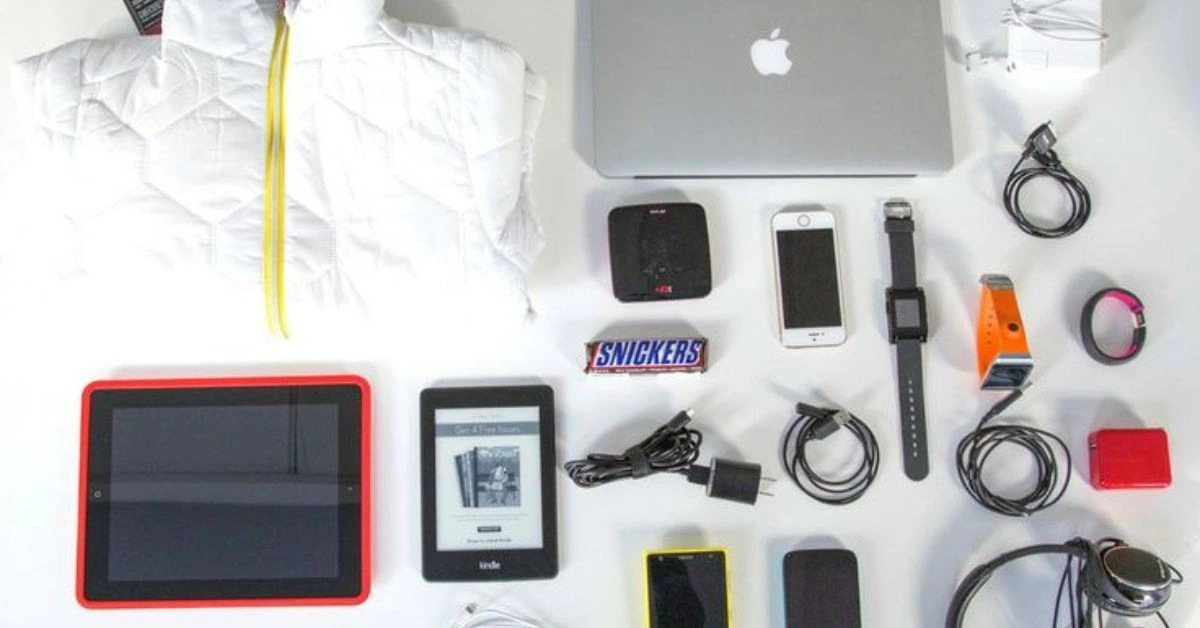
I’ve spent the last two decades testing, breaking, and living with tech gear—from clunky early PDAs to today’s seamless ecosystems. Gizmos and gadgets aren’t just shiny distractions. They solve real problems when chosen right. This guide cuts through the hype and gives you the practical knowledge to build a tech setup that boosts productivity, simplifies daily life, and stays relevant as things evolve.
Defining the Modern Tech Ecosystem: What Qualifies as a Gizmo vs. Gadget?
People throw these words around interchangeably, but small differences matter. A gadget usually means a small electronic device built for a specific practical task—like a wireless earbud set for calls or a portable charger that actually delivers fast power. Think of tools that fit in your pocket and deliver measurable value.
A gizmo leans more whimsical or novel, often something you tinker with because it’s clever, even if its everyday utility feels secondary. That mechanical puzzle or quirky multi-tool you show friends falls here. In practice, the lines blur. Most folks use both terms for anything small, electronic, and fun or functional.
Today’s ecosystem includes wearables that track health metrics accurately, smart displays that replace multiple remotes, and portable productivity tools that rival desktops. The key distinction in 2026: Does it integrate with your existing setup, or does it create more friction? Focus on devices with strong software support, regular updates, and open standards like Matter for smart home compatibility.
Real-world example: A basic Bluetooth speaker qualifies as a gadget for audio on the go. Add customizable E-ink displays or advanced noise cancellation, and it edges into specialized territory that serious users appreciate.
The Essential Tech Stack for Everyday Productivity
You don’t need every new release. A focused stack delivers better results. Prioritize reliability, battery life, and cross-device synergy.
Here’s a practical comparison of essential categories:
| Category | Essential Pick Example | Key Specs & Why It Matters | Advanced Upgrade Example | Price Range (2026) |
| Portable Computing | Lightweight laptop or mini PC | 16+ GB RAM, long battery, multiple ports | Foldable or high-end ultrabook | $500–$2,000 |
| Audio | Wireless earbuds or speaker | ANC, multipoint pairing, IP rating | Premium over-ear with hi-res audio | $50–$400 |
| Productivity Tools | Tablet or e-ink device | Note-taking, distraction-free focus | High-refresh stylus tablet | $200–$800 |
| Wearables | Fitness tracker/smartwatch | Accurate sensors, week-long battery | AI-powered health insights model | $100–$500 |
| Power & Accessories | Compact power bank or charger | Fast charging, multiple ports | Solar or high-capacity station | $20–$150 |
This table highlights trade-offs. Essentials handle 80% of needs without complexity. Advanced options shine for power users—content creators, frequent travelers, or those deep into data tracking.
Start simple. Pair a reliable phone with solid earbuds and a versatile charger. Add a tablet for focused work or reading. Many 2026 models emphasize AI features that summarize notes, transcribe meetings, or optimize battery based on your habits. Test in your actual environment—lab specs rarely match real pockets, backpacks, or desks.
Smart Home Integration: Building a Seamless Ecosystem
Smart homes have moved past novelty. In 2026, Matter standard support makes mixing brands far less painful. Pick one primary ecosystem first—Apple Home, Google Home, or Amazon Alexa—then expand carefully.
Begin with lighting and plugs. Smart bulbs or switches give instant wins: voice control, schedules, and energy savings. Next, add a hub or use your existing smart speaker as one. Security cameras and door sensors follow, but only after securing your network.
Key steps that actually work:
- Map your Wi-Fi coverage first. Dead zones kill reliability.
- Choose devices with local control options to reduce cloud dependency.
- Set up routines gradually. Start with “good morning” lights and coffee maker triggers before complex automations.
- Test interoperability. A robot vacuum that climbs stairs or maps multiple floors changes cleaning forever, but confirms it plays nice with your hub.
Energy management matters more now. Smart plugs track usage and automate high-draw devices. EV chargers with load balancing prevent panel upgrades. The payoff comes in lower bills and fewer manual adjustments.
Avoid over-automation early. A few reliable devices beat dozens of finicky ones. Update firmware religiously—most vulnerabilities live in neglected hardware.
Future-Proofing Your Tech: From Everyday Gadgets to Outer Space Innovations
Tech moves fast. Devices bought today should handle tomorrow’s demands through software updates and modular thinking. Look for repairability, expandable storage, and open ecosystems.
Everyday future-proofing means choosing gear with strong AI integration that adapts. Noise-cancelling earbuds that learn your environment or wearables with evolving health algorithms deliver ongoing value.
Zoom out further, and consumer tech increasingly borrows from ambitious projects. Concepts once limited to labs now influence personal devices—advanced materials, efficient power systems, and autonomous operation. For a glimpse into where hardware is heading on a grander scale, check out developments in Space Force orbital warship carrier concepts, which highlight extreme engineering in propulsion, resilience, and integration that trickle down over time.
Stay current by following standards like Matter and Thread. Invest in devices with multi-year support promises. Modular accessories—swappable batteries, upgradable components—extend lifespan and reduce waste. The goal: a setup that evolves without full replacements every couple years.
Protecting Your Digital Footprint & Tech Ecosystem
All this connectivity creates attack surfaces. Smart devices expand your digital footprint dramatically. Basic habits still matter most: strong unique passwords, two-factor authentication everywhere, and regular updates.
For deeper protection, especially with multiple connected gadgets, consider specialized tools. IP-based threats and fraud attempts target home networks and personal data constantly. Reviewing options like the Scamalytics IP fraud detection review helps evaluate services that flag suspicious activity before it reaches your devices.
Practical moves:
- Segment your network—guest Wi-Fi for visitors and IoT devices.
- Use VPNs on public connections and for sensitive traffic.
- Monitor app permissions ruthlessly. Many gadgets request more access than needed.
- Back up important data offline or in encrypted clouds.
- Enable automatic updates and consider security-focused operating systems where possible.
Treat security as ongoing maintenance, not a one-time setup. A compromised smart camera or plug can open doors to bigger problems.
Frequently Asked Questions (FAQs)
1. What is the difference between a gizmo and a gadget?
Gadgets serve specific practical purposes with clear utility. Gizmos often feel more novel or experimental. In daily use, the terms overlap heavily—focus on function over labels.
2. How do I start building a smart home without overspending?
Begin with a hub and a few lights or plugs from one ecosystem. Add devices gradually that support Matter for flexibility. Prioritize Wi-Fi coverage and security from day one.
3. Which gadgets provide the best value for productivity in 2026?
Wireless earbuds with strong ANC, a capable tablet for notes, and a reliable power solution top most lists. Match choices to your specific workflow rather than chasing specs.
4. Are future space technologies relevant to consumer gadgets?
Yes—advancements in materials, power efficiency, and autonomy influence everyday devices over time, from better batteries to smarter sensors.
5. How can I protect my growing collection of smart devices?
Keep everything updated, use strong authentication, segment your network, and monitor for unusual activity. Specialized fraud detection tools add another layer for connected setups.
This guide reflects hands-on experience across hundreds of devices. Tech should serve you—not the other way around. Experiment, iterate, and keep only what genuinely improves your days. The best setups feel invisible until you notice how much smoother life runs.
For More Information Visit Aitrender.